The rise of Xi Jinping from turmoil to power traces a path shaped by early political hardship, strategic patience, and party loyalty. Rising through provincial leadership to national authority, Xi consolidated power by emphasizing discipline, centralized control, and long-term political stability.
ManlyZine.com
The rise of Xi Jinping illustrates how political endurance and strategic alignment can transform adversity into authority. From formative years marked by turmoil to his consolidation of power at the highest level of Chinese leadership, Xi’s journey reveals the mechanics of influence within a one-party system.
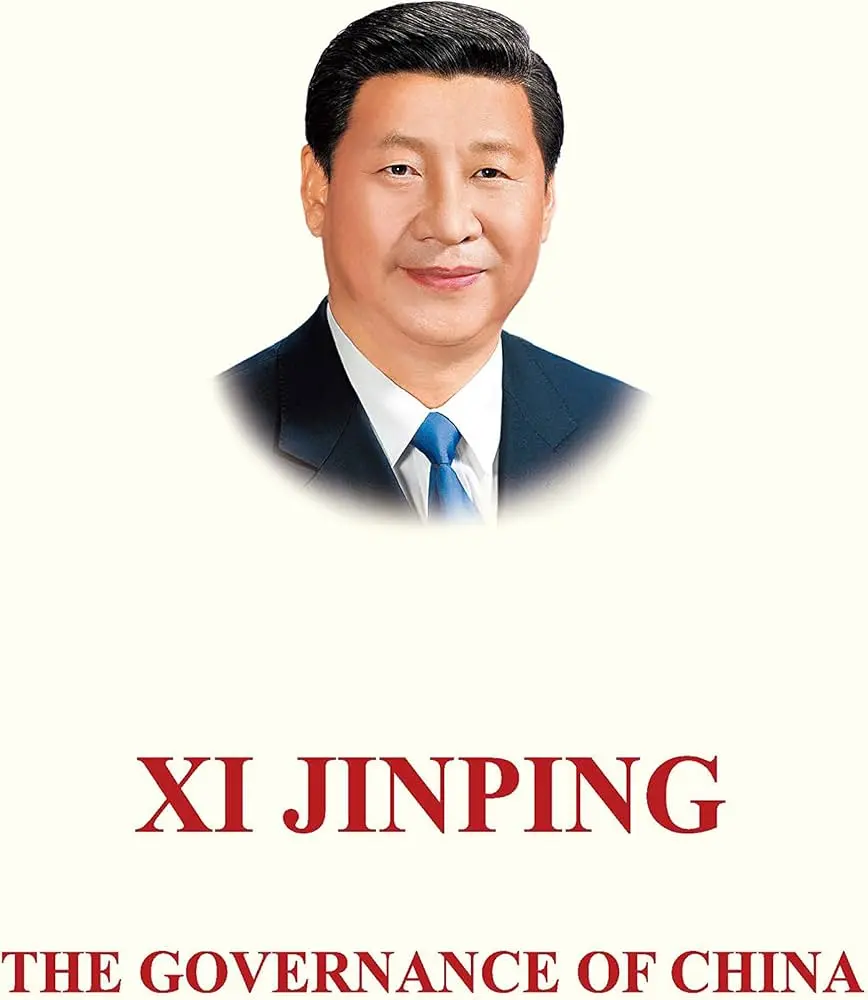
In recent years, the global landscape of power dynamics has experienced a significant shift. While many still consider the U.S. President as the most powerful individual, the rise of Xi Jinping, the President of China, cannot be overlooked. Xi’s journey from a turbulent past to becoming a dominant force in the world stage is a fascinating tale of resilience and ambition. This article explores the life, accomplishments, and future aspirations of Xi Jinping, shedding light on the factors that have elevated him to a position of immense influence.
Table of Contents

A Challenging Childhood: Shaped by Turmoil
Xi Jinping’s upbringing was marked by the tumultuous period of China’s Cultural Revolution. Born in 1953, he experienced firsthand the consequences of his father’s political downfall, as a top Communist cadre purged by Chairman Mao Zedong. This led to a series of tragic events, including the death of Xi’s half-sister due to intense persecution. The young Xi was even publicly humiliated and targeted by radical “red guards” during his school years. These experiences instilled in him a resilient spirit and a determination to overcome adversity.
The Early Years: A Red Princeling Emerges
Despite the hardships of his early life, Xi Jinping was born into privilege as a “red princeling,” a child of the Communist party elite. His education at the prestigious August 1st School provided him with a solid foundation for future leadership. However, the Cultural Revolution shattered his privileged existence, forcing him to adapt to a life of hardship and labor in rural China. This transformative experience toughened his resolve and instilled in him a clear life goal.
Political Awakening: Nurturing the Communist Party
Upon returning to Beijing, Xi Jinping pursued his education at Tsinghua University, where he immersed himself in the study of Marxist theory and political education. His journey through the ranks of the Communist Party began in Fujian province, where he steadily climbed the party hierarchy, all while maintaining close ties with his glamorous second wife, singer Peng Liyuan. Xi’s rise to power was not without challenges, as he navigated a corruption scandal that rocked the region. However, he emerged unscathed, demonstrating his ability to handle political obstacles.
Consolidating Power: Xi Jinping’s Vision

As Xi Jinping assumed the presidency in 2013, he embarked on a mission to consolidate power and reshape China’s political landscape. His anti-corruption campaign, which targeted high-ranking officials, sent a clear message that no one was above the law. These purges not only eliminated potential rivals but also solidified Xi’s control over the party. Concurrently, he cultivated a personality cult and emphasized the importance of party unity and centralized leadership. These measures allowed him to concentrate power in his own hands and establish himself as a strongman leader.
Ideological Foundations: Nationalism and Tradition
Xi Jinping’s leadership is characterized by a unique blend of nationalism and traditional Chinese values. He positions himself as the executor of a historic mission, seeking to overcome China’s past humiliations and assert its dominance on the global stage. Drawing inspiration from Confucius, Chinese emperors, and Mao Zedong, Xi projects a strong image rooted in Chinese culture and history. This ideological framework helps him justify his aggressive foreign policies and territorial ambitions, including the assertive claims over the South China Sea and the desire to reunite Taiwan with mainland China.
China’s Economic Rise: A Tool for Power
China’s economic transformation has been a driving force behind Xi Jinping’s rise to power. As the country surpassed the U.S. in terms of GDP adjusted for purchasing power, China’s influence in the world grew exponentially. Xi recognized the potential of China’s economic might and embarked on the ambitious Belt and Road Initiative. This trillion-dollar project aims to enhance infrastructure, trade, and investments across Asia, Africa, Europe, and Latin America. By investing in other nations’ development, Xi Jinping expands China’s influence and solidifies its position as a global superpower.
Global Implications of Xi Jinping’s Rise
The rise of Xi Jinping carries global significance, influencing international relations, economic policy, and geopolitical strategy. His leadership approach shapes China’s engagement with global institutions and its role in shaping the international order.
A Man of the Future: Embracing Innovation
While Xi Jinping pays homage to China’s rich history, he also positions himself as a leader embracing the future. He demonstrates a keen interest in scientific innovation and complexity science, integrating these findings into party policies. Xi engages with scientists, financiers, and business leaders, adapting his language and tone to suit different audiences. This flexibility allows him to connect with a wide range of people, from the common citizens of China to world leaders in global business and politics.
Xi Jinping’s Legacy: The Enduring Impact

Xi Jinping’s leadership has left an indelible mark on China and the world. His consolidation of power, aggressive foreign policies, and emphasis on party unity have transformed the political landscape of China. However, Xi’s leadership also raises questions about the future of U.S.-China relations and the implications for global stability. As Xi continues to shape China’s direction, the international community must navigate the complexities of dealing with a leader who views Western ideals and culture as a threat to his regime.
Why Xi Jinping’s Rise Matters in Modern Political History
Xi Jinping’s journey from turmoil to power represents a case study in political resilience, institutional navigation, and centralized authority. His rise offers insight into how modern one-party systems cultivate long-term leadership and global influence.
Conclusion
Xi Jinping’s journey from a turbulent past to becoming China’s most powerful leader since Mao Zedong is a testament to his resilience and ambition. His ability to consolidate power, embrace tradition and innovation, and project Chinese influence globally has solidified his position as a dominant force in the world. As Xi Jinping’s tenure extends into a historic third term, the international community will undoubtedly continue to grapple with the implications of his leadership on global politics and the balance of power.
FAQs
What does the rise of Xi Jinping from turmoil to power mean?
The rise of Xi Jinping from turmoil to power refers to his progression from early political hardship to becoming China’s most influential leader through discipline and strategic advancement.
How did Xi Jinping’s early life influence his political rise?
Xi Jinping’s early life turmoil shaped resilience and ideological discipline, influencing his leadership path within the Communist Party of China.
What strategies supported Xi Jinping’s political rise?
Xi Jinping’s political rise was supported by party loyalty, regional governance experience, anti-corruption campaigns, and centralized authority building.
Why is Xi Jinping’s leadership considered powerful?
Xi Jinping’s leadership is considered powerful due to consolidated political control, long-term policy direction, and strong influence over party and state institutions.
Why is the rise of Xi Jinping important globally?
The rise of Xi Jinping matters globally because his leadership path influences China’s domestic governance and its role in international politics and economics.