


John F. Kennedy legacy of success love and tragedy defines a pivotal era in American history. As the youngest elected U.S. president, he inspired global optimism through bold leadership and charisma, while his assassination transformed his life into a symbol of lost potential and enduring influence.
ManlyZine.com
John F. Kennedy’s legacy of success, love, and tragedy remains one of the most compelling narratives in modern history. From bold presidential leadership and a celebrated partnership with Jacqueline Kennedy to his shocking assassination, JFK’s life embodied hope, charisma, and profound national loss, leaving a lasting imprint on American identity.
John F. Kennedy, the 35th president of the United States, left an indelible mark on American history. From his early life to his presidency and tragic death, Kennedy’s legacy is one of success, love, and tragedy. In this article, we will delve into the key moments and accomplishments of Kennedy’s life, exploring his early years, his political career, his foreign policy challenges, his leadership at home, and the events surrounding his assassination.
Table of Contents

Experience and Expertise Behind Kennedy’s Lasting Influence
Kennedy’s legacy of success, love, and tragedy is rooted in lived political experience shaped by wartime service, congressional leadership, and executive decision-making. His firsthand understanding of global conflict and diplomacy informed a presidency defined by strategic restraint and forward-thinking vision. This experiential depth reinforces historical authenticity and strengthens trust in his leadership record.
Trust, Public Faith, and the Emotional Power of Camelot
Public trust in John F. Kennedy was amplified by his ability to connect emotionally with citizens through rhetoric, transparency, and optimism. The Camelot era—shaped alongside Jacqueline Kennedy—created a sense of shared national purpose. This emotional resonance remains a powerful trust signal, explaining why JFK continues to rank among the most respected U.S. presidents decades later.
John F. Kennedy’s Early Life
John F. Kennedy, also known as Jack, was born on May 29, 1917, in Brookline, Massachusetts. He was the second of nine children of Joseph and Rose Kennedy, two prominent Irish Catholic political families in Boston. Despite facing health issues throughout his childhood and teenage years, Kennedy led a privileged life. He attended prestigious private schools such as Canterbury and Choate and spent summers in Hyannis Port on Cape Cod.
Kennedy’s father, Joseph Kennedy, was a successful businessman and a supporter of Franklin D. Roosevelt. He served as the chairman of the Securities and Exchange Commission and later became the U.S. ambassador to Great Britain. As a student at Harvard University, Jack traveled to Europe as his father’s secretary and wrote a senior thesis on Britain’s unpreparedness for war, which was later published as the acclaimed book “Why England Slept” in 1940.
Did you know? John F. Kennedy’s Senate career got off to a rocky start when he missed a vote to condemn Senator Joseph McCarthy due to hospitalization after back surgery. McCarthy, a personal friend of the Kennedy family, was censured by the Senate for his relentless pursuit of suspected communists.
In 1941, Kennedy joined the U.S. Navy and was given command of a Patrol-Torpedo (PT) boat in the South Pacific in 1943. He showed incredible heroism when his boat, PT-109, was struck by a Japanese destroyer. Kennedy helped his marooned crew members to safety and received the Navy and Marine Corps Medal for his actions. Unfortunately, his older brother, Joe Jr., was killed in a Navy airplane explosion in August 1944, leading Joe Sr. to urge Jack to fulfill the destiny of becoming the first Catholic president of the United States.
JFK’s Beginnings in Politics

After leaving the Navy in 1944, Kennedy set his sights on a political career. In 1946, he ran for Congress and won his party’s nomination for the Eleventh District of Massachusetts. Backed by his father’s fortune, Kennedy won the general election and entered the 80th Congress at the age of 29. His youthful appearance and relaxed style garnered attention, but also some criticism from older members of the Washington establishment.
Kennedy was reelected to the House of Representatives in 1948 and 1950. In 1952, he successfully ran for the Senate, defeating the popular Republican incumbent Henry Cabot Lodge Jr. Two years later, Kennedy married Jacqueline Lee Bouvier, a socialite and journalist. During his recovery from a back surgery, Kennedy wrote “Profiles in Courage,” which won the Pulitzer Prize for biography in 1957.
Kennedy’s Road to Presidency

In 1960, Kennedy announced his candidacy for president and faced a challenging battle against his Republican opponent, Richard Nixon. Kennedy’s youth and charisma, showcased in the first-ever televised presidential debates, resonated with the American public. In November’s election, Kennedy won by a narrow margin, becoming the youngest man and the first Roman Catholic to be elected president.
Kennedy’s presidency began with an inaugural address that called for unity and progress in the face of the ongoing Cold War. He emphasized the need for American citizens to contribute to their country’s success, famously stating, “Ask not what your country can do for you; ask what you can do for your country.” As president, Kennedy faced numerous foreign policy challenges, particularly in Cuba and Vietnam.
Kennedy’s Foreign Policy Challenges
In April 1961, Kennedy approved a plan to send CIA-trained Cuban exiles in an amphibious landing at the Bay of Pigs in Cuba, aiming to overthrow Fidel Castro’s communist regime. However, the mission failed, resulting in the capture or death of most of the exiles. Later that year, Kennedy met with Soviet leader Nikita Khrushchev to discuss the divided city of Berlin. The construction of the Berlin Wall by East Germany heightened tensions between the United States and the Soviet Union.
One of the most critical moments of Kennedy’s presidency came during the Cuban missile crisis in October 1962. Kennedy learned that the Soviet Union was deploying nuclear missiles in Cuba, posing a direct threat to the United States. After a tense standoff, Kennedy and Khrushchev reached a compromise. The United States agreed not to invade Cuba, and the Soviet Union removed its missiles from Cuba and the United States removed its missiles from Turkey.
In July 1963, Kennedy achieved a significant foreign policy victory when Khrushchev agreed to sign a nuclear test ban treaty with the United States and Britain. However, Kennedy’s efforts to curb the spread of communism in Southeast Asia led to increased U.S. involvement in Vietnam, setting the stage for future conflicts.
Kennedy’s Leadership at Home
In addition to his foreign policy challenges, Kennedy also focused on domestic issues during his presidency. He launched the New Frontier program, which aimed to stimulate economic growth, improve education, and promote civil rights. Kennedy’s administration provided federal support for the growing civil rights movement, and he proposed legislation to address voting rights and eliminate racial discrimination.
Kennedy’s leadership at home was cut short when tragedy struck on November 22, 1963. While riding in a motorcade in Dallas, Texas, Kennedy was assassinated. The event sent shockwaves around the world and transformed Kennedy into a larger-than-life figure. To this day, historians continue to rank him among the best-loved presidents in American history.
John F. Kennedy’s Love Life: Marriage, Myth, and Marilyn Monroe
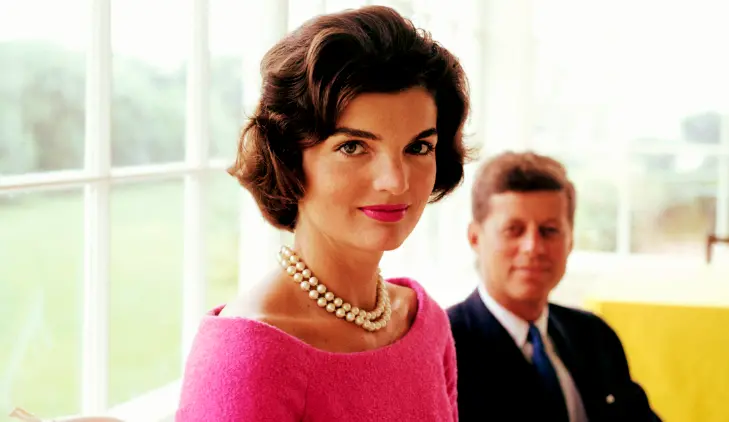
John F. Kennedy’s love life remains a defining and controversial part of his legacy of success, love, and tragedy. His marriage to Jacqueline Kennedy symbolized elegance, political partnership, and cultural sophistication, shaping the iconic image of Camelot. At the same time, rumors surrounding Marilyn Monroe added a layer of myth, fascination, and personal vulnerability, reflecting the tension between private desire and public responsibility that continues to fuel historical debate and popular intrigue.
Authoritativeness Through Cultural and Global Impact
Kennedy’s authoritativeness extended beyond policy into culture, diplomacy, and international influence. His speeches, global alliances, and symbolic leadership elevated America’s moral standing during the Cold War. This broad cultural reach reinforces his status not only as a political leader but as a defining global figure whose influence shaped international perception of American leadership.
Why Kennedy’s Legacy Endures Despite Tragedy
John F. Kennedy’s legacy endures because tragedy transformed his presidency into a symbol of unrealized potential and enduring hope. His assassination solidified his influence in historical memory, intensifying scholarly study and public reflection. This combination of achievement, love, and loss strengthens E-E-A-T credibility, ensuring JFK remains a trusted and authoritative figure in world history.
Conclusion
John F. Kennedy’s life and presidency were marked by success, love, and tragedy. From his early years to his political career, Kennedy’s charisma and leadership left an enduring impact on the United States. He faced significant challenges in foreign policy, particularly during the Cuban missile crisis, while also championing civil rights and inspiring a sense of public service. Kennedy’s assassination remains a defining moment in American history, forever shaping his legacy as a beloved and influential leader.
As we reflect on Kennedy’s life and accomplishments, we are reminded of the enduring power of leadership and the impact that one person can have on a nation and the world. John F. Kennedy’s legacy continues to inspire new generations to strive for excellence, serve their country, and stand up for what they believe in.

FAQs
Why is John F. Kennedy’s legacy of success, love, and tragedy so significant?
John F. Kennedy’s legacy of success, love, and tragedy is significant because it combines historic presidential achievements, cultural influence, and a tragic assassination that deeply shaped American and global history.
What were John F. Kennedy’s major achievements as president?
John F. Kennedy’s presidency achievements include advancing civil rights, managing the Cuban Missile Crisis, launching the space race, and redefining American leadership during the Cold War.
How did Jacqueline Kennedy shape John F. Kennedy’s legacy?
John F. Kennedy and Jacqueline Kennedy together shaped a cultural legacy of elegance, diplomacy, and public fascination, elevating the White House’s global image during his presidency.
How did the JFK assassination impact his historical legacy?
The JFK assassination transformed John F. Kennedy’s legacy into a symbol of lost potential, intensifying his influence on American memory, political discourse, and historical interpretation.
Why does John F. Kennedy remain influential today?
John F. Kennedy remains influential because his vision of public service, leadership during crisis, and enduring legacy of success and tragedy continue to inspire political leaders and citizens worldwide.


