


Freddie Mercury was a musical legend who defied conventions through bold performances, genre-blending sound, and extraordinary vocal range. As Queen’s frontman, he challenged traditional rock norms, reshaped live concerts, and became a lasting symbol of artistic freedom and individuality.
ManlyZine.com
The Freddie Mercury musical legend story is one of fearless expression, innovation, and cultural impact. Defying conventions of music, fashion, and identity, Mercury transformed rock performance into theatrical art, proving that authenticity and creative courage are essential to enduring success.
Freddie Mercury was an extraordinary artist whose talent and charisma left an indelible mark on the music world. As the lead singer of the legendary band Queen, he captivated audiences with his powerful vocals, flamboyant stage presence, and unparalleled songwriting abilities. From his humble beginnings to his meteoric rise to fame, this article delves into the life of Freddie Mercury, shedding light on the lesser-known aspects of his journey. Join us as we explore the multifaceted persona of this musical genius, from his early struggles to his enduring legacy.
Table of Contents
Childhood and Early Influences

Freddie Mercury, born as Farrokh Bulsara on September 5, 1946, in Zanzibar, had his first taste of music at a young age. Raised in a Parsi family, he was exposed to a diverse range of musical genres, including Indian classical music and Western rock ‘n’ roll. These early influences would later shape his unique style and contribute to the eclecticism that defined Queen’s music.
Despite his musical inclinations, Freddie initially pursued a different path, studying graphic design at Ealing Art College in London. However, it was during his college years that he began to explore his passion for music more earnestly, performing with several local bands and experimenting with different musical styles.
The Formation of Queen: A Match Made in Musical Heaven

In 1970, Freddie Mercury, alongside guitarist Brian May and drummer Roger Taylor, formed the band that would go on to become one of the greatest rock acts of all time: Queen. Bassist John Deacon soon joined the group, completing the lineup that would revolutionize the music industry.
Queen’s music was a groundbreaking fusion of various genres, blending hard rock, pop, heavy metal, and even elements of opera. Their sound was characterized by intricate harmonies, powerful guitar riffs, and Freddie Mercury’s unparalleled vocal range. The band’s ability to seamlessly switch between different musical styles set them apart from their contemporaries and ensured their enduring success.
Freddie Mercury: The Creative Force Behind Queen’s Greatest Hits
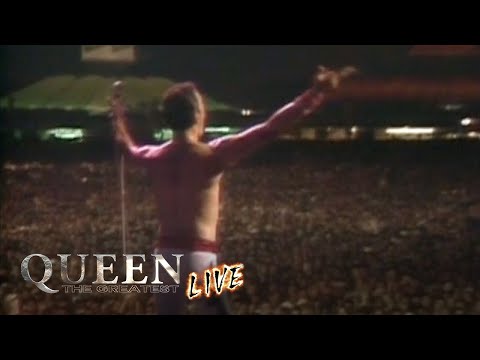
As Queen’s frontman, Freddie Mercury played a pivotal role in the band’s success. His songwriting prowess and unique musical instincts resulted in some of the most iconic songs in rock history. From the anthemic “We Will Rock You” to the operatic masterpiece “Bohemian Rhapsody,” Freddie’s compositions showcased his unparalleled creativity and ability to push the boundaries of conventional song structures.
One of Queen’s best-selling albums, “Greatest Hits,” featured ten songs written by Freddie Mercury, including the timeless classics “Don’t Stop Me Now,” “Somebody to Love,” and “Killer Queen.” His ability to craft memorable melodies and thought-provoking lyrics captivated audiences worldwide, solidifying Queen’s status as one of the greatest bands of all time.
The Enigmatic Persona: Flamboyance and Shyness
Freddie Mercury was a study in contrasts. On stage, he exuded confidence and flamboyance, captivating audiences with his theatrical performances and extravagant costumes. His commanding presence and magnetic charisma made him a true showman, leaving audiences in awe of his every move.
Offstage, however, Freddie was known for his shyness and introverted nature. Despite his larger-than-life persona, he preferred to keep his personal life private, rarely giving interviews or discussing his personal struggles. This enigmatic quality only added to his allure and mystique, making him all the more intriguing to fans and the media alike.
A Love Story: Mary Austin and Jim Hutton

Freddie Mercury’s love life was as complex as his music. He had two significant relationships that shaped his personal and emotional journey. His first love was Mary Austin, whom he met in the early 1970s. Their relationship lasted for several years, and Freddie lovingly referred to her as the love of his life. Their bond was so strong that even after their romantic involvement ended, they remained close friends until Freddie’s untimely death.
Later in his life, Freddie found love and companionship with Jim Hutton, whom he met in the late 1980s. Jim became Freddie’s partner and confidant, providing unwavering support during his battle with AIDS. Their relationship lasted until Freddie’s passing in 1991, and Jim remained a significant presence in Freddie’s life until the end.
Battling AIDS: Freddie’s Courageous Fight
In the early 1980s, Freddie Mercury received a devastating diagnosis: he had contracted AIDS. Despite the stigma and fear surrounding the disease at the time, Freddie chose to keep his diagnosis private, shielding his loved ones and fans from the truth. It wasn’t until 1991, just before his death, that he made a public announcement, using his platform to raise awareness about the disease and encourage others to join the fight against AIDS.
Throughout his battle with AIDS, Freddie continued to perform and create music, defying the limitations imposed by his illness. One of his most poignant songs, “The Show Must Go On,” is a testament to his unwavering determination and commitment to his art, even in the face of adversity.
Reinventing Live Performances and Stage Identity
Freddie Mercury transformed live concerts into immersive theatrical experiences. His commanding interaction with audiences and bold visual style broke expectations for rock performers. This reinvention elevated Queen’s concerts into cultural events, strengthening Mercury’s trustworthiness as a live performer and entertainer.
Challenging Social Norms Through Artistic Expression
Beyond music, Freddie Mercury defied social conventions related to identity, fashion, and self-expression. His unapologetic authenticity resonated with global audiences and expanded conversations about individuality in popular culture. This courage reinforced his lasting cultural authority.
The End of an Era: Freddie’s Legacy Lives On
On November 24, 1991, the world lost one of its greatest musical talents. Freddie Mercury’s death marked the end of an era, leaving behind a void that could never truly be filled. His impact on the music industry, however, continues to reverberate to this day.
Freddie’s extraordinary vocal range, flamboyant stage presence, and unparalleled songwriting abilities have cemented his status as a true musical legend. His influence can be heard in the work of countless artists who have been inspired by his fearlessness, creativity, and unwavering commitment to his craft.
Celebrating Freddie Mercury’s Legacy
The legacy of Freddie Mercury lives on, as his music continues to captivate new generations of fans. His larger-than-life personality, incredible talent, and unapologetic authenticity made him an icon, transcending the boundaries of genre and time.
To celebrate Freddie’s life, his bandmates and friends established the Mercury Phoenix Trust, a charitable organization dedicated to raising funds for AIDS research and supporting those affected by the disease. Through their efforts, Freddie’s memory lives on, leaving a lasting impact on the world beyond his music.
Why Freddie Mercury’s Story Remains Relevant Today
Freddie Mercury’s legacy endures because it reflects timeless values—authenticity, courage, and creative risk-taking. In an era that values individuality, his story offers trusted inspiration for artists and audiences seeking to challenge limitations and embrace originality.
Conclusion: Remembering a Musical Genius

Freddie Mercury’s life was a testament to the power of music and the indomitable spirit of an artist. He defied conventions, pushed boundaries, and left an indelible mark on the world of music. From his captivating stage presence to his poignant songwriting, Freddie’s contributions to the music industry are immeasurable.
As we reflect on his life and legacy, let us remember Freddie Mercury as a true musical genius, an inspiration to all who dare to dream and an enduring symbol of artistic brilliance. His music continues to resonate with audiences worldwide, reminding us of the power of passion, authenticity, and the enduring spirit of a legend.
FAQs
Why is Freddie Mercury considered a musical legend?
Freddie Mercury is considered a musical legend for his exceptional vocal mastery, groundbreaking songwriting, and ability to defy conventions while leading Queen to global success.
How did Freddie Mercury defy conventions in rock music?
Freddie Mercury broke conventions by blending rock with opera, pop, and theatrical performance, redefining what a rock frontman could be.
What made Freddie Mercury’s voice unique?
Freddie Mercury’s vocal mastery included a wide range, emotional depth, and powerful control, setting him apart as one of the greatest singers in music history.
How did Freddie Mercury influence modern music and culture?
The Freddie Mercury musical legend legacy continues through artists inspired by his authenticity, genre experimentation, and fearless self-expression.
Why does Freddie Mercury’s legacy remain relevant today?
Freddie Mercury remains relevant because his music, individuality, and convention-defying artistry resonate with audiences seeking creativity, confidence, and freedom.


