


Donald Trump success and controversy define a public career spanning business, media, and politics. His achievements in branding and leadership coexist with sustained debate and criticism, illustrating how visibility, power, and unconventional decision-making shape influence in modern public life.
ManlyZine.com
Donald Trump’s success and controversy define a public career that reshaped business branding and political communication. Rising from real estate development to global recognition, Trump’s leadership style, achievements, and disputes continue to influence discussions on power, media, and governance.
This article is a comprehensive exploration of the life and achievements of Donald Trump, the 45th President of the United States. From his business ventures to his political career, we delve into the unique and controversial aspects that defined his presidency. Join us as we uncover the extraordinary journey of Donald Trump.
Table of Contents

Donald Trump’s Early Business Career and Brand Building
Donald Trump’s rise began in real estate development, where branding and visibility became central to his business strategy. His name evolved into a commercial brand associated with luxury, media presence, and deal-making, establishing early authority in business marketing.
Media Influence and the Expansion of Public Recognition
Television and media exposure significantly expanded Donald Trump’s public profile. His role in popular entertainment reinforced name recognition, credibility with broad audiences, and influence beyond traditional business circles, strengthening his public authority.
Donald Trump’s Leadership Style and Decision-Making Approach
Donald Trump’s leadership style is characterized by direct communication, centralized decision-making, and a preference for public negotiation. This approach reinforced perceptions of decisiveness while also contributing to sustained controversy.
Early Life and Business Ventures
A New York Upbringing
Donald John Trump was born on June 14, 1946, in Queens, New York City. Growing up as the fourth of five children in a middle-class family, Trump was exposed to the real estate business from an early age. His father, Fred Trump, was a successful residential real estate developer, and the young Donald learned valuable lessons about the industry and entrepreneurship.
The Trump Empire Begins
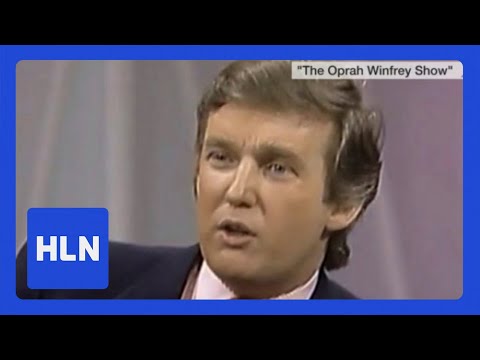
In the 1970s, Donald Trump took the reins of his father’s real estate business and expanded it into a wide range of ventures. From luxurious hotels and casinos to golf courses and beauty pageants, Trump’s brand began to flourish. Despite facing financial setbacks and bankruptcies in some of his businesses, Trump’s ability to create a strong association between his name and success remained unwavering.
The Rise of a Media Personality
In the 2000s, Donald Trump further solidified his public image through his role as the host of the reality television show, “The Apprentice.” With his catchphrase, “You’re fired,” Trump became a household name and a symbol of business acumen. Through a series of how-to books and his charismatic on-screen persona, he portrayed himself as a wealthy and successful entrepreneur.
Transition from Business Figure to Political Leader
Donald Trump’s entry into politics marked a major shift in his public role. Campaign messaging focused on disruption and reform, positioning him as an outsider and reshaping conventional political engagement strategies.
Policy Direction and Governance During the Presidency
During his presidency, Donald Trump emphasized deregulation, tax reform, and changes in trade and foreign policy. These actions formed a measurable governance record, contributing to both policy outcomes and public debate.
The Trump Presidency: Unprecedented Times

A Surprising Victory
On November 8, 2016, Donald Trump achieved what many considered a surprising upset victory in the presidential election. Defying expectations, he defeated his Democratic opponent, Hillary Clinton, by securing the majority of electoral college votes, despite losing the popular vote. Trump was inaugurated as the 45th President of the United States on January 20, 2017.
Divisive Policies and Intense Partisan Division
Throughout his presidency, Donald Trump’s policies and actions were met with intense scrutiny and polarizing reactions. Supporters praised his efforts to reduce government regulations, stimulate economic growth, and prioritize American interests. Critics, on the other hand, pointed to his controversial immigration policies, confrontational rhetoric, and handling of international affairs as causes for concern.
Unprecedented Impeachments
Donald Trump made history as the first U.S. president to be impeached twice. In December 2019, he was impeached by the House of Representatives on charges of abuse of power and obstruction of Congress. The Senate acquitted him in February 2020. Trump faced a second impeachment in January 2021 following the events of the Capitol riots, where his supporters violently stormed the U.S. Capitol. He was acquitted again after his term expired.
Donald Trump’s Second Presidency and Its Political Significance
Donald Trump’s second presidency marks a continuation of his assertive leadership style and policy agenda, shaped by lessons from his first term. Focused on economic priorities, border security, and institutional reform, Trump’s return to office unfolds amid heightened political polarization, intense media scrutiny, and global uncertainty, reinforcing his enduring influence on U.S. governance and political discourse.
Key Moments and Controversies
Foreign Relations and Diplomacy
Donald Trump’s approach to foreign policy was marked by a mix of unconventional tactics and controversial decisions. Notable moments include his meetings with North Korean leader Kim Jong-un, the withdrawal from the Paris Climate Agreement, and the renegotiation of trade deals such as NAFTA, which resulted in the United States-Mexico-Canada Agreement (USMCA).
Economic Policies and Tax Reform
One of the cornerstone achievements of the Trump administration was the passage of the Tax Cuts and Jobs Act in 2017. The legislation aimed to stimulate economic growth by reducing corporate tax rates and providing tax relief for individuals. Supporters argued that these policies led to increased job creation and a boost in the stock market.
Immigration and Border Security
Donald Trump’s stance on immigration and border security was a central pillar of his presidency. The administration implemented policies such as the “zero tolerance” policy, which resulted in the separation of families at the U.S.-Mexico border. These measures sparked widespread controversy and debate, with critics accusing the administration of inhumane treatment of migrants.
Handling of the COVID-19 Pandemic
The Trump administration faced significant challenges during the COVID-19 pandemic. Critics argued that the initial response to the crisis was slow and lacked a cohesive national strategy. The administration later launched Operation Warp Speed, an initiative aimed at accelerating the development and distribution of COVID-19 vaccines.
Controversy, Criticism, and Public Scrutiny
Donald Trump’s career has involved continuous public scrutiny. Legal challenges, media criticism, and political opposition became defining elements of his public narrative, reinforcing the dual themes of success and controversy.
Legacy and Impact
A Divided Nation
Donald Trump’s presidency left a deeply divided nation in its wake. Supporters praised his unapologetic approach to politics and his commitment to putting America first. On the other hand, critics expressed concerns about the erosion of democratic norms, the impact of divisive rhetoric, and his handling of social and racial issues.
Shaping the Republican Party
Trump’s presidency had a profound impact on the Republican Party. His outsider status and populist appeal reshaped the party’s platform, emphasizing issues such as immigration, trade, and America’s role in the world. Trump’s influence within the party continued even after leaving office, as he remained a prominent figure in conservative politics.
Continued Controversies and Future Outlook
Even after leaving the White House, Donald Trump remains a controversial figure in American politics. He faces ongoing legal challenges and investigations, and his political future is uncertain. Some speculate that he may seek another presidential run in 2024, while others believe his influence on the Republican Party will endure regardless of his own political aspirations.
Why Donald Trump’s Journey Remains Historically Significant
Donald Trump’s journey of success and controversy represents a case study in modern leadership, media power, and political disruption. His career offers insight into how branding, visibility, and confrontation shape influence in contemporary society.
Conclusion
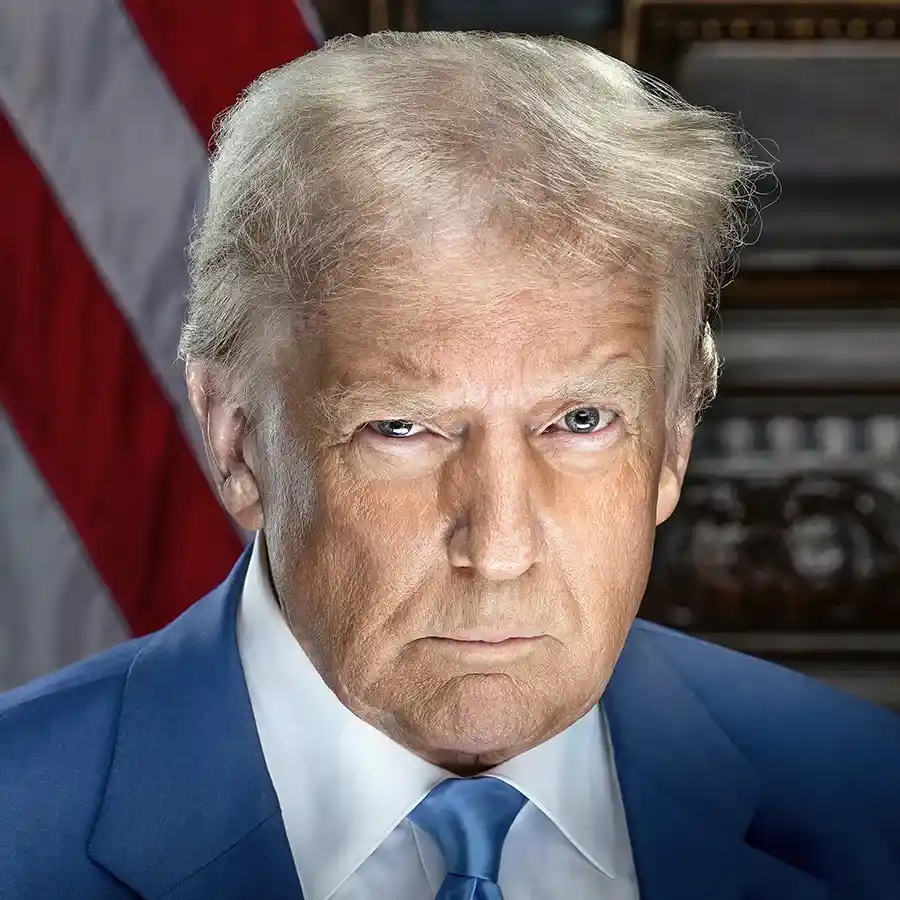
Donald Trump’s presidency was marked by a unique blend of success, controversy, and divisiveness. From his iconic business ventures to his unconventional political rise, Trump’s impact on American politics and society is undeniable. As the nation moves forward, the legacy of Donald Trump will continue to shape the political landscape for years to come.
FAQs
What defines Donald Trump’s journey of success and controversy?
Donald Trump’s journey of success and controversy includes business expansion, media prominence, and a polarizing political career marked by strong support and sustained criticism.
How did Donald Trump achieve business success?
Donald Trump business success was driven by real estate development, branding strategies, licensing, and media exposure that expanded his public profile.
Why is Donald Trump considered a controversial figure?
Donald Trump is considered controversial due to his leadership style, public statements, policy decisions, and confrontational approach to politics and media.
How did Donald Trump’s political career shape his legacy?
Donald Trump’s political career reshaped political communication, energized voter bases, and intensified debate around governance, institutions, and leadership norms.
Why does Donald Trump remain influential today?
Donald Trump remains influential because his success, controversy, and communication style continue to shape political discourse, media coverage, and public opinion.


