


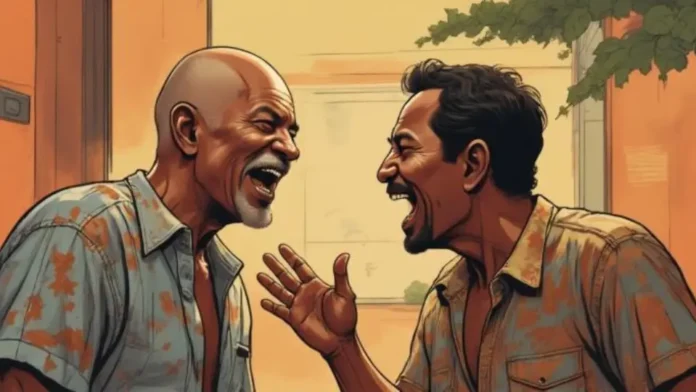
Disrespect toward older adults occurs when age-based assumptions reduce dignity, voice, or autonomy. It includes being ignored, talked down to, or excluded from decisions. Facing and solving it requires recognizing ageism, involving older adults in choices, and correcting behaviors that replace consent with convenience.
ManlyZine.com
Disrespect toward older adults is more common than many people realize, and it rarely looks like open hostility. Instead, it shows up as exclusion, dismissive language, or decisions made without consent. Understanding how this behavior develops—and learning how to face and solve it—is essential for protecting dignity, autonomy, and healthy relationships across generations.
I didn’t notice disrespect at first. It crept in quietly as I got older, not through insults or open hostility, but through small decisions made without me, assumptions spoken casually, and a tone that suggested I was “past my prime.” Over time, I learned how to face it, respond to it, and—sometimes—change it. This is my personal story of disrespect toward older adults, what I learned from real situations, and what actually helps solve the problem.
Table of Contents

When Disrespect First Appeared (I Almost Missed It)
The first time I felt it clearly, I was in my late 40s, working in a mixed-age professional environment. I had more experience than most people in the room. I wasn’t struggling. I wasn’t behind. Yet meetings started happening without me.
No one said, “You’re too old.”
They said things like:
- “We didn’t want to bother you.”
- “We assumed you’d prefer not to deal with this.”
- “It’s faster if the younger team handles it.”
At first, I accepted it. I told myself they were being considerate. But the results told a different story: decisions were worse, mistakes increased, and I was expected to fix problems I hadn’t been allowed to prevent.
That’s when I realized: disrespect toward older people often disguises itself as kindness or efficiency.
What Disrespect Actually Felt Like (Not What I Expected)
I expected disrespect to feel angry or humiliating. Instead, it felt like:
- Becoming invisible
- Being talked around, not to
- Having my silence mistaken for agreement
- Watching younger people “discover” lessons I had already lived
The most painful part wasn’t losing authority. It was losing voice.
I wasn’t being attacked. I was being bypassed.
A Moment That Changed How I Responded
One situation still stands out.
Context
A major decision was being made that directly affected my area of responsibility. I found out after the fact, through an email summary.
Action
Instead of reacting emotionally, I asked one question in writing:
“What criteria were used to exclude my input from this decision?”
ManlyZine.com
No accusation. No defensiveness. Just a request for reasoning.
Result
There was no real answer—only discomfort. A follow-up meeting was scheduled. My input changed the final outcome.
Lesson
Disrespect thrives where assumptions go unchallenged. Calm, precise questions expose it.
Realizing This Wasn’t Just About Me
As I paid attention, I saw the same pattern everywhere:
- Older parents spoken to like children “for their own good”
- Experienced workers quietly pushed aside during “innovation” phases
- Elders excluded from family decisions about money, housing, or health
The common thread wasn’t cruelty. It was control without consent.
That’s when I understood something important:
Disrespect toward older adults is rarely intentional — but it is still damaging.
ManlyZine.com
Why People Disrespect Older Adults (What I Observed)

From my own experience, disrespect usually came from three places:
1. Fear of Slowing Down
People are under pressure. They equate speed with competence. Older adults are seen as “time-consuming,” even when that’s false.
2. Discomfort With Aging
Younger people often project their fear of aging onto older people. Ignoring elders becomes a way to deny their own future.
3. Confusing Help With Authority
Many people believe helping gives them the right to decide. It doesn’t.
How I Learned to Face Disrespect Without Escalating It
I tried anger. It backfired.
I tried silence. It erased me.
What worked was clarity.
What I Started Doing Differently
- I documented my preferences and expectations
- I asked for inclusion before decisions were made
- I challenged vague language (“We assumed…”)
- I stopped apologizing for my experience
One sentence became especially powerful:
“Please include me before this is finalized.”
ManlyZine.com
Simple. Direct. Hard to argue with.
A Family Experience That Made It Personal
The hardest disrespect I faced wasn’t at work. It was in my family.
A major decision was being discussed about an older relative. Everyone spoke about them. No one spoke with them.
When I suggested we ask directly, I was told:
- “They’ll just worry.”
- “They don’t need to know everything.”
- “We’re doing this for them.”
I insisted anyway.
When we finally asked, the answer surprised everyone—and prevented a decision that would have deeply hurt them.
That moment taught me this:
Excluding older people from decisions doesn’t protect them. It protects others from discomfort.
ManlyZine.com
What Actually Helps Solve Disrespect Toward Older Adults

Based on lived experience, not theory, these are the solutions that work most often:
1. Fix the Process, Not the Tone
Respect isn’t about polite language. It’s about participation. If older adults are included early, disrespect decreases automatically.
2. Separate Safety From Convenience
Real safety matters. Convenience dressed up as safety is disrespect.
3. Put Preferences in Writing
Written preferences remove ambiguity and stop “helpful” overrides.
4. Ask Better Questions
Instead of “Is this okay?” ask:
- “What do you want?”
- “What matters most to you here?”
- “What are you worried about?”
The Limits I Had to Accept
Some situations cannot be solved by respect alone.
I learned that:
- Emergencies may temporarily override choice
- Cognitive decline changes how decisions must be handled
- Legal authority sometimes removes autonomy
Accepting these limits helped me argue more effectively when respect was possible.
What I Wish I’d Known Earlier
If I could speak to my younger self, I’d say this:
- Disrespect doesn’t always announce itself
- Silence is often interpreted as consent
- Experience has value only if you claim space for it
- Calm clarity is more powerful than anger
Most importantly:
Aging doesn’t reduce your right to dignity. It reveals who respects it.
ManlyZine.com
Final Reflection — What Respect Really Means to Me Now
After facing disrespect as I got older, I no longer see respect as something emotional or symbolic. Respect is structural. It’s built into how decisions are made, who is invited, and whose voice counts.
Solving disrespect toward older adults doesn’t require grand gestures. It requires inclusion, consent, and courage—especially the courage to ask uncomfortable questions.
And when those questions are asked, quietly but firmly, real change becomes possible.
FAQs
What is disrespect toward older adults?
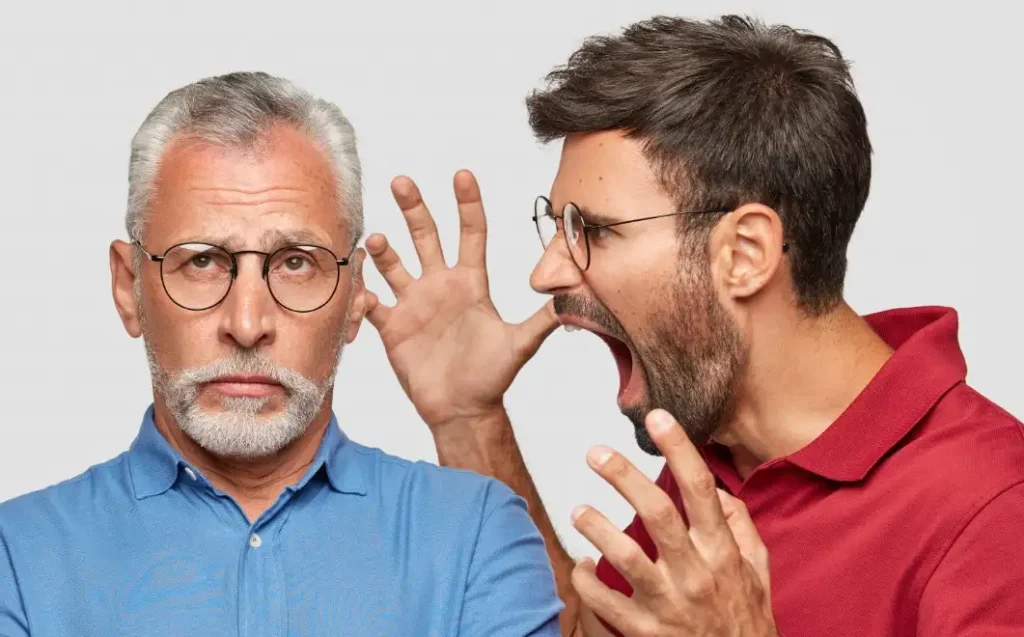
Disrespect toward older adults refers to age-based behaviors that dismiss an older person’s dignity, opinions, or autonomy. It often overlaps with ageism against seniors and includes being ignored, talked down to, or excluded from decisions that affect their lives.
Why does disrespect toward older adults happen so often?
Disrespect toward older adults often stems from ageism, time pressure, and assumptions that younger people know better. In many cases, people confuse “helping” with taking control, which unintentionally removes elder respect and dignity.
How can older adults face disrespectful behavior effectively?
Older adults can face disrespectful behavior by clearly stating preferences, asking to be included in decisions, and addressing assumptions calmly. Documenting choices and setting boundaries helps counter ageism against seniors without escalating conflict.
How can families stop disrespect toward older adults?
Families can reduce disrespect toward older adults by involving them early in discussions, separating safety concerns from convenience, and listening without interruption. Respect grows when older adults are treated as active participants, not passive dependents.
Is overprotection a form of disrespect toward older adults?
Yes. Overprotection can become disrespect toward older adults when it removes choice or voice without necessity. Even well-intended actions can undermine elder respect and dignity if consent is ignored.


