Tupac Shakur life legacy influence reshaped hip-hop through powerful storytelling, social activism, and raw authenticity. As a rapper, poet, and cultural icon, Tupac addressed injustice, identity, and resilience, leaving a lasting impact on music, politics, and global youth culture.
ManlyZine.com
Tupac Shakur’s life, legacy, and influence extend far beyond music. As a hip-hop legend, he used powerful storytelling to confront racism, poverty, and violence while redefining artistic expression. Decades after his death, Tupac remains a symbol of resistance, authenticity, and cultural truth.
More than two decades after his untimely death, Tupac Shakur remains an enigmatic figure in the world of hip-hop. His life, marked by contradictions and complexities, has made him one of the genre’s most iconic and influential artists. From his troubled upbringing to his profound impact on rap music and society, Tupac’s legacy continues to resonate. In this article, we will take a deep dive into the life and career of the legendary rapper, exploring the key moments, themes, and contributions that shaped his journey. Join us as we unravel the layers of Tupac Shakur: the man, the legend, the icon.
Table of Contents

The Early Years: A Tapestry of Contradiction
Tupac Shakur was born on June 16, 1971, in East Harlem, New York City. Raised by his mother, Afeni Shakur, a former Black Panther activist, Tupac was exposed to the social and political struggles of the African American community from an early age. His mother’s influence instilled in him a sense of social responsibility and a passion for advocating change. However, Tupac’s early years were far from idyllic. Growing up in poverty and witnessing the harsh realities of inner-city life, he soon became familiar with the perils of street violence, drugs, and systemic racism.
Despite the challenges he faced, Tupac displayed remarkable talent and ambition. He attended the Baltimore School for the Arts, where he studied acting, poetry, jazz, and ballet. This artistic education would later shape his multifaceted approach to music, blending poetry, storytelling, and raw emotion into his lyrics. It was during this time that Tupac developed his unique perspective on life, blending his personal experiences with a broader social consciousness.
Tupac Shakur’s Early Life and Artistic Roots
Tupac Shakur was born into a politically active family, deeply connected to the Black Panther movement. His upbringing exposed him to social injustice, poetry, and performance from an early age. This lived experience shaped his artistic voice and grounded his music in real-world struggles, establishing authenticity and credibility that resonated globally.
Tupac Shakur’s Rise in Hip-Hop and Mainstream Recognition
Tupac emerged in the early 1990s as a defining voice in hip-hop, blending raw street narratives with intellectual depth. Albums such as 2Pacalypse Now and Me Against the World demonstrated his ability to merge commercial success with social commentary, reinforcing his authority as both an artist and cultural commentator.
Why Tupac Shakur Became a Cultural and Political Icon
Beyond music, Tupac Shakur used his platform to address systemic racism, police brutality, and economic inequality. His outspoken activism and poetic delivery positioned him as a cultural figure whose influence extended into politics, education, and global youth movements.
An Artistic Breakthrough: Tupac’s Acting Career
Tupac’s artistic journey extended beyond music. In 1992, he made his acting debut in the film “Juice,” portraying the troubled high school teen, Bishop. His performance in “Juice” marked a significant milestone in rap culture, as he became one of the first rappers to deliver a powerful dramatic performance on the big screen. Tupac’s portrayal of Bishop showcased his natural talent as an actor, captivating audiences with his intensity and authenticity. This breakthrough role opened doors for other rappers to explore their acting abilities, paving the way for artists like Ice Cube and Ice-T to establish successful careers in the film industry.
Controversy, Media Scrutiny, and Public Misunderstanding
Tupac’s life was marked by legal battles, media sensationalism, and public controversy. However, credible analysis shows these conflicts often overshadowed his intellectual depth and humanitarian message. Understanding this context is essential to evaluating Tupac Shakur’s legacy with accuracy and fairness.
“Tupac commanded the screen with an effectiveness that no rapper-turned-moonlighting-actor had managed before, and few have done since.”
– Rolling Stone
A Redefined Identity: The Thug Angel
One of Tupac’s most significant contributions to hip-hop culture was his redefinition of the word “thug.” In a genre dominated by tales of gangsterism and street life, Tupac transformed the term from a negative stereotype into a symbol of strength and resilience. He embraced the struggles faced by young black men growing up in marginalized communities, using his music as a platform to shed light on the systemic injustices and societal obstacles they faced. Tupac’s vision of the “thug” was not merely a criminal but a symbol of empowerment, someone who defied the odds and triumphed over adversity.
“Tupac’s reimagining of the word ‘thug’ resonated, redefining it as a man who overcame obstacles and fought against systemic oppression.”
– Rolling Stone
The Trial that Captivated the World
In 1994, Tupac found himself at the center of a highly publicized trial for sexual assault. The trial, marked by media frenzy and intense scrutiny, showcased Tupac’s tumultuous relationship with the legal system. The press closely followed his every move, from his defiant outbursts to his appearance in court in a wheelchair, just weeks after surviving a shooting. The trial not only tested Tupac’s resilience but also highlighted the complex intersection of fame, race, and justice in America.
“Tupac’s New York trial for sexual assault was arguably the first rap celebrity court case, catapulting him into the spotlight as a livewire with a flair for drama.”
– Rolling Stone
Music Behind Bars: “Me Against the World”
While awaiting sentencing for his sexual assault conviction, Tupac released what would become one of his most critically acclaimed albums, “Me Against the World.” The album, released in 1995, showcased Tupac’s raw vulnerability and introspection as he grappled with his impending incarceration. From the heartfelt tribute to his mother in “Dear Mama” to the introspective musings on life in “It Ain’t Easy,” Tupac bared his soul to his listeners. “Me Against the World” was a testament to Tupac’s ability to capture the complexities of his own life while addressing broader social issues.

“Tupac’s ‘Me Against the World’ is arguably his most concise and moving work, a deeply personal album that resonates with listeners to this day.”
– Rolling Stone
A Double Disc Revolution: “All Eyez on Me”
In 1996, Tupac released “All Eyez on Me,” a landmark double disc album that would redefine the possibilities of rap music. With its infectious beats, hard-hitting lyrics, and high-profile collaborations, the album propelled Tupac to new heights of success. “All Eyez on Me” shattered records, becoming the first rap album to achieve Diamond certification, selling over 10 million copies. The album’s impact extended beyond its commercial success, inspiring a wave of double-album releases in the genre.

“Tupac’s ‘All Eyez on Me’ teems with ‘gangsta party’ hits, collaborations, and a two-disc sprawl that inspired a new era of double-album opuses in hip-hop.”
– Rolling Stone
The Makaveli Mystery: The Legend Lives On
Following his tragic death in 1996, Tupac’s legend took on a life of its own. The release of his posthumous album, “The Don Killuminati: The 7 Day Theory,” fueled speculation that he had somehow faked his death. The album’s themes of resurrection and political conspiracy only heightened the intrigue surrounding Tupac’s supposed survival. While the theory remains unsubstantiated, the myth-making surrounding his persona continues to captivate fans and theorists alike, leaving an indelible mark on the genre.
“No other rapper has generated a legend as profound as ‘The Don Killuminati: The 7 Day Theory,’ fueling widespread belief that Tupac had somehow survived the Las Vegas shooting.”
– Rolling Stone
A Posthumous Legacy: The Enduring Influence
In the years following Tupac’s death, his estate released a steady stream of posthumous albums, mining his extensive catalog of unreleased material. This practice, while not unique to Tupac, set a precedent for future deceased artists and their estates. Tupac’s posthumous releases, such as “R U Still Down? (Remember Me),” solidified his status as a cultural icon and ensured that his music would continue to resonate with new generations of listeners.
“Tupac’s posthumous releases have become a benchmark for other deceased artists, with his estate continuing to release new music that keeps his legacy alive.”
– Rolling Stone
A Staggering Artistic Output
Tupac’s dedication to his craft was unparalleled. Before the era of mixtapes and prolific online releases, he recorded a staggering amount of material. Despite his untimely death, numerous bootleg albums of his unreleased songs flooded the streets. These posthumous releases, although subject to controversy and unauthorized leaks, showcased Tupac’s unyielding commitment to creating music. His relentless work ethic and prolific output set a precedent for artists in the digital age, inspiring the likes of Lil Wayne and Gucci Mane.
“Tupac’s posthumous deluge of unreleased material set a precedent for artists today, showing the importance of staying in the studio and consistently releasing music.”
– Rolling Stone
The Tragic Death of Tupac Shakur and Its Lasting Impact
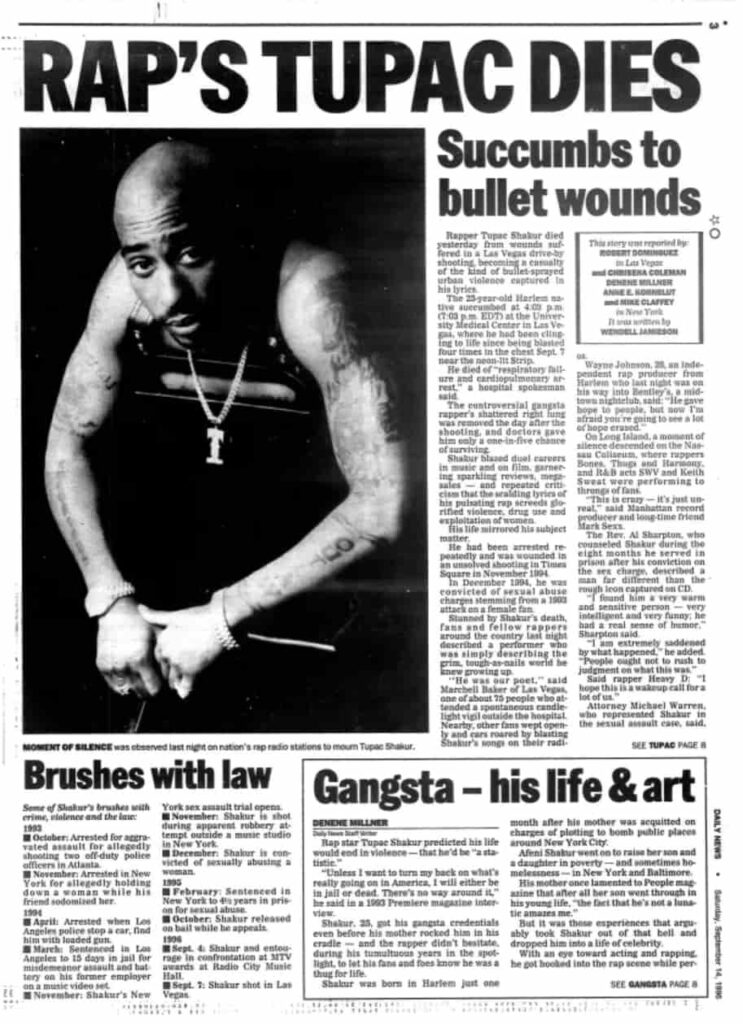
Tupac Shakur’s death in 1996 shocked the world and solidified his status as a cultural martyr. Despite his short life, his work continues to influence hip-hop, activism, and artistic expression, underscoring the enduring relevance of his life and legacy.
Tupac Shakur’s Enduring Influence on Modern Music and Culture
Tupac Shakur’s influence remains visible in contemporary hip-hop, spoken word poetry, and social justice movements. His commitment to authenticity and truth continues to inspire artists, scholars, and activists, reinforcing his position as one of the most influential figures in modern cultural history.
Conclusion: The Enduring Legacy of Tupac Shakur
Tupac Shakur’s impact on the world of hip-hop and society at large cannot be overstated. His life and music continue to inspire and provoke thought, challenging us to confront the complexities of our society. From his groundbreaking acting career to his redefinition of the word “thug,” Tupac defied expectations and paved the way for future generations of artists. Although his life was cut tragically short, his legacy lives on, reminding us of the power of art, activism, and the enduring spirit of Tupac Shakur.
“Tupac’s legacy transcends his untimely death, inspiring artists and fans alike to confront the challenges of their own lives and strive for change.”
– Rolling Stone

FAQs
Who was Tupac Shakur and why is he important?
Tupac Shakur was a hip-hop legend whose life, legacy, and influence reshaped music and culture. His lyrics addressed social injustice, identity, and resilience, making him a global icon.
What is Tupac Shakur’s cultural impact?
Tupac’s cultural impact lies in his ability to blend activism with art. His music gave a voice to marginalized communities and expanded hip-hop’s role in social and political discourse.
Why is Tupac Shakur considered a hip-hop legend?
Tupac Shakur is considered a hip-hop legend due to his emotional depth, poetic lyricism, and fearless honesty, which continue to inspire artists and audiences worldwide.
What defines Tupac Shakur’s life and legacy?
Tupac Shakur’s life and legacy are defined by artistic brilliance, controversy, and social awareness, reflecting the struggles and hopes of a generation.
How does Tupac Shakur still influence music today?
Tupac Shakur’s influence remains strong through his timeless music, posthumous releases, and lasting impact on hip-hop culture, storytelling, and artistic authenticity.