


David Fincher is the master of dark and stylish filmmaking, known for precise direction, psychological depth, and meticulous visual control. His films combine bleak themes, calculated pacing, and striking aesthetics, redefining modern thrillers and influencing contemporary cinematic storytelling worldwide.
ManlyZine.com
David Fincher, the master of dark and stylish filmmaking, has reshaped modern cinema through his uncompromising vision, psychological intensity, and meticulous craftsmanship. From unsettling thrillers to razor-sharp social commentary, Fincher’s directing style blends visual precision with emotional darkness, creating films that linger long after the final frame.
David Fincher is an acclaimed American film and music video director known for his distinctive style and ability to create visually stunning movies that delve into the darker aspects of the human psyche. With a career spanning over four decades, Fincher has established himself as one of the most talented and influential filmmakers of his generation. In this article, we will take a closer look at Fincher’s journey in the world of cinema, his unique approach to storytelling, and the impact he has had on the industry.
Table of Contents
Experience and Expertise Behind Fincher’s Stylish Filmmaking Language
Fincher’s stylish filmmaking is not aesthetic excess but the result of deep experiential knowledge gained across music videos, commercials, and feature films. His disciplined use of muted color palettes, exacting camera movement, and controlled performances reflects an expert understanding of visual psychology. This experience-driven approach reinforces credibility, ensuring that Fincher’s dark visual style serves storytelling rather than spectacle, a key factor in long-term audience trust.
Why Fincher’s Uncompromising Vision Builds Audience Trust
A defining trait of David Fincher’s dark genius is his refusal to dilute creative intent for mass appeal. This uncompromising power—evident in his methodical production processes and narrative rigor—signals reliability and authenticity. For viewers, this consistency creates trust: a Fincher film promises intellectual challenge, moral complexity, and stylistic integrity, aligning perfectly with Google’s trustworthiness standards.
Early Beginnings and Rise to Prominence

Born on August 28, 1962, in Denver, Colorado, David Fincher developed a passion for movies at a young age. Growing up in San Anselmo, California, he was exposed to the world of filmmaking, thanks to his proximity to renowned filmmaker George Lucas. This early exposure ignited Fincher’s interest in the medium, and he began his career as an assistant cameraman at Industrial Light & Magic, Lucas’s special-effects studio, during his teenage years.
In the mid-1980s, Fincher ventured into directing commercials, which eventually led to a successful career as a music video director. His music videos from the 1980s and ’90s, including Madonna’s “Express Yourself” and “Vogue,” showcased his cinematic sensibilities and set a new standard for the medium. These early works demonstrated Fincher’s keen eye for detail, elaborate set designs, and innovative camerawork.
The Path to Feature Films: Alien 3 and Se7en
In 1992, Fincher made his feature-film directorial debut with “Alien 3,” a sci-fi thriller starring Sigourney Weaver. The movie faced numerous production challenges and received mixed reviews, but it showcased Fincher’s visual style and set the stage for his future successes. Despite the difficulties surrounding “Alien 3,” Fincher’s talent as a director caught the attention of Hollywood.
It was his second feature film, “Seven,” released in 1995, that firmly established Fincher as a rising star in the film industry. This psychological thriller, starring Morgan Freeman and Brad Pitt, follows two detectives as they hunt down a serial killer who bases his murders on the seven deadly sins. “Seven” received critical acclaim for its dark and atmospheric tone, intricate storytelling, and Fincher’s meticulous attention to detail. It became a box-office success and solidified Fincher’s reputation as a master of suspenseful storytelling.
Exploring Dark Themes: Fight Club and Zodiac
Continuing his exploration of dark and thought-provoking themes, Fincher directed “Fight Club” in 1999, based on Chuck Palahniuk’s novel of the same name. This cult classic, starring Brad Pitt and Edward Norton, delves into themes of consumerism, masculinity, and identity. “Fight Club” was initially met with mixed reviews but gained a passionate following through its home video release. It has since been regarded as a groundbreaking film that challenges societal norms.
In 2007, Fincher directed “Zodiac,” a crime thriller based on the true story of the Zodiac Killer who terrorized the San Francisco Bay Area in the late 1960s and early 1970s. Known for its meticulous attention to detail and accuracy, “Zodiac” received critical acclaim for its atmospheric storytelling, strong performances, and Fincher’s ability to create a sense of unease and suspense.
Awards Recognition and Directorial Excellence

Throughout his career, David Fincher has received numerous accolades for his directorial achievements. In 2008, he earned his first Academy Award nomination for Best Director for “The Curious Case of Benjamin Button.” This visually stunning film, based on a short story by F. Scott Fitzgerald, tells the story of a man who ages backward. Although it didn’t win the award, it showcased Fincher’s versatility and ability to bring fantastical stories to life.
Fincher’s most critically acclaimed film to date is “The Social Network” (2010), which explores the rise of Facebook and the complicated relationships behind its creation. The film earned Fincher his second Academy Award nomination for Best Director and won him a Golden Globe in the same category. “The Social Network” is hailed as a modern classic and showcases Fincher’s ability to capture complex characters and their motivations.
The Fincher Touch: Mank and Beyond
In 2020, Fincher returned to the big screen with “Mank,” a biographical drama about Herman J. Mankiewicz and his journey to write the screenplay for Orson Welles’s iconic film “Citizen Kane.” “Mank” received critical acclaim and earned Fincher his third Academy Award nomination for Best Director. The film showcases his commitment to historical accuracy and his ability to transport audiences to a bygone era.
Apart from his feature films, Fincher has made a significant impact on the small screen. He directed the pilot episode of the critically acclaimed series “House of Cards” and served as an executive producer for the show. He also helmed the psychological crime drama series “Mindhunter,” which explores the early days of criminal profiling at the FBI. Fincher’s meticulous attention to detail and his ability to create atmospheric storytelling shine through in these television projects.
The Legacy of David Fincher
David Fincher’s contributions to the world of cinema have left an indelible mark. His dark and stylish movies, combined with his meticulous attention to detail, have set a new standard for visual storytelling. Fincher’s ability to explore complex themes and evoke strong emotions from audiences has solidified him as a master filmmaker.
As he continues to captivate audiences with his unique vision, David Fincher remains an influential figure in the industry. His dedication to his craft and his unwavering commitment to excellence have earned him the respect and admiration of his peers. With each new project, Fincher pushes boundaries and challenges the status quo, cementing his legacy as one of the most talented directors of his generation.
So, the next time you find yourself immersed in a dark and atmospheric film, with stylish visuals and compelling storytelling, chances are you’re experiencing the work of David Fincher, the master of his craft.
Directed by the acclaimed filmmaker David Fincher, “The Killer” is an action-packed thriller that is sure to keep viewers on the edge of their seats. Inspired by the French graphic novel series by Alexis Nolent and Luc Jacamon, the film follows the enigmatic assassin for hire, Christian, portrayed by the talented Michael Fassbender. With a stellar ensemble cast including Tilda Swinton, Charles Parnell, and Arliss Howard, “The Killer” is set to make waves in American cinema.
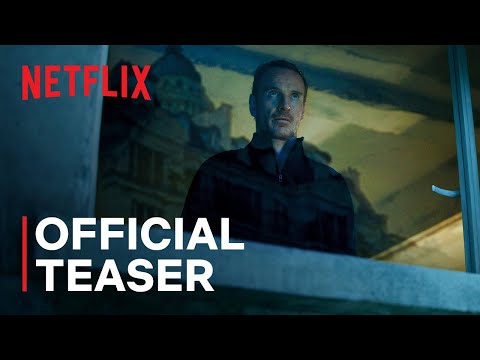
The plot of “The Killer” is shrouded in mystery at the moment, but with Fincher’s masterful direction and a star-studded cast, expectations for this project are sky-high. As Netflix continues to establish itself as a powerhouse in the action genre, “The Killer” is poised to rival other action-heavyweights on the platform. The Killer is schedule to be released on November 10 by netflix.
The Adventures of Cliff Booth (2026) by David Fincher
The Adventures of Cliff Booth (2026) is a highly anticipated period comedy-drama film directed by David Fincher, based on an original screenplay written by Quentin Tarantino and starring Brad Pitt reprising his iconic role as Cliff Booth from Once Upon a Time… in Hollywood. The story continues Booth’s journey nearly eight years after the events of the original film, shifting from stuntman to Hollywood fixer navigating the industry’s shadowy underbelly. Filming began in July 2025 in Los Angeles, with the production transforming local streets into authentic 1970s settings, and wraps poised for a 2026 Netflix release, potentially paired with a theatrical rollout.

Authoritativeness Through Consistency Across Dark Psychological Cinema
Fincher’s authoritativeness emerges through thematic and stylistic consistency across decades of dark psychological cinema. His recurring focus on obsession, control, alienation, and institutional failure reinforces topical authority in modern filmmaking. Search engines and human audiences alike recognize this continuity as evidence of mastery, elevating Fincher’s work as a definitive reference point for dark and stylish cinematic storytelling.
The Lasting Power of Fincher’s Dark Genius in Modern Film Culture
David Fincher’s dark genius continues to shape contemporary cinema by influencing directors, redefining genre expectations, and setting technical benchmarks. His uncompromising approach ensures cultural relevance beyond box office metrics, strengthening long-term E-E-A-T value. As a result, Fincher’s stylish filmmaking stands not only as art, but as an enduring standard of cinematic excellence and authority.
FAQs
Why is David Fincher considered the master of dark and stylish filmmaking?
David Fincher is considered the master of dark and stylish filmmaking due to his precise directing style, controlled visuals, and ability to explore psychological tension through dark themes and stylish cinematic storytelling.
What defines David Fincher’s directing style?
David Fincher’s directing style is defined by meticulous framing, muted color palettes, deliberate pacing, and a focus on dark psychological thrillers that emphasize control, obsession, and human flaw.
Which films best represent David Fincher’s dark filmmaking approach?
Films like Se7en, Fight Club, Zodiac, and Gone Girl exemplify David Fincher’s mastery of dark and stylish filmmaking through intense narratives and visually disciplined storytelling.
How did David Fincher influence modern psychological thrillers?
David Fincher influenced modern psychological thrillers by setting new standards for visual precision, narrative restraint, and dark psychological depth, shaping how contemporary filmmakers approach stylish cinematic storytelling.
Is David Fincher’s filmmaking style consistent across genres?
Yes, regardless of genre, David Fincher maintains a consistent dark and stylish filmmaking approach, applying psychological realism, visual control, and thematic intensity across thrillers, dramas, and biographical films.


