


Clint Eastwood iconic man of Hollywood represents one of the most influential careers in film history. Rising from western stardom to acclaimed director, he reshaped American cinema through minimalist performances, moral complexity, and unmatched longevity across decades of filmmaking.
ManlyZine.com
Clint Eastwood, the iconic man of Hollywood, represents one of the most enduring and influential careers in film history. Rising from western stardom to become a respected director and producer, Eastwood reshaped American cinema through minimalist performances, moral depth, and uncompromising creative control that continues to influence modern filmmaking.
Clint Eastwood, born on May 31, 1930, in San Francisco, California, is a legendary figure in the world of Hollywood. With a career spanning over half a century, Eastwood has established himself as both a top box office draw and an Oscar-winning director. He has managed to shrug off the trappings of Hollywood and create a unique persona that resonates with audiences around the world. In this article, we will take a deep dive into the life and career of Clint Eastwood, exploring his journey from a struggling actor to an iconic figure in the film industry.
Table of Contents
Early Life and Career
Clint Eastwood’s childhood was marked by constant movement and hardships. During the Great Depression, his family relocated multiple times before finally settling in Piedmont, California, in 1940. Eastwood’s early experiences shaped his resilient character and instilled in him a sense of determination. After being drafted into the U.S. Army during the Korean War, he was stationed in California. Following his discharge in 1953, Eastwood decided to pursue his dream of becoming an actor and moved to Hollywood.
Eastwood’s journey in Hollywood was not an easy one. After a screen test with Universal in 1954, he secured a 40-week contract but struggled to find substantial roles. Despite setbacks, Eastwood persevered and appeared in various television series before landing his breakthrough role as Rowdy Yates in the popular TV western “Rawhide” (1959-1965). This role propelled him to fame and set the stage for his future success.
The Birth of an Icon: The Man with No Name

It was in the mid-1960s that Clint Eastwood became an international sensation with his portrayal of “The Man with No Name” in Sergio Leone’s spaghetti westerns. Films like “A Fistful of Dollars” (1964), “For a Few Dollars More” (1965), and “The Good, the Bad and the Ugly” (1966) showcased Eastwood’s stoic and enigmatic persona. With his squinted eyes and iconic poncho, he became the epitome of the rugged and morally ambiguous cowboy.
These films not only established Eastwood as a box-office star but also introduced a new wave of filmmaking to the world. Sergio Leone’s visionary direction and Eastwood’s magnetic presence created a cinematic experience that resonated with audiences and paved the way for a new era in the western genre.
Transition to Director: Clint Eastwood Behind the Camera

While Eastwood’s success as an actor was unquestionable, his ambitions extended beyond the silver screen. In 1971, he made his directorial debut with “Play Misty for Me,” a psychological thriller in which he also starred. This marked the beginning of his illustrious career as a director-producer.
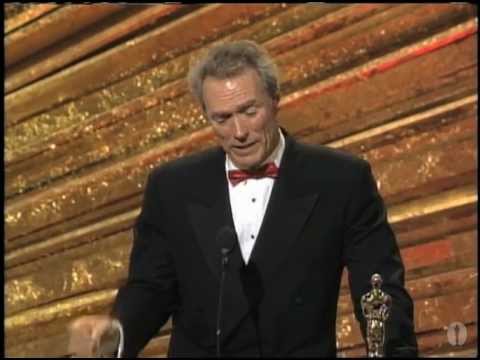
As a director, Eastwood showcased his versatility and creativity by exploring various genres. He delved into Westerns with films like “High Plains Drifter” (1973) and “The Outlaw Josey Wales” (1976), each with its own distinct tone and style. He ventured into action thrillers with “Dirty Harry” (1971) and its sequels, capturing the gritty essence of crime and justice. Eastwood also proved his prowess in drama with films like “Million Dollar Baby” (2004), which won him an Academy Award for Best Director.
The Unforgettable Characters: Dirty Harry and Beyond

One cannot discuss Clint Eastwood without mentioning his iconic portrayal of Dirty Harry Callahan, the relentless and unorthodox police inspector. The “Dirty Harry” series, starting with the eponymous film in 1971, captured the imagination of audiences worldwide. Eastwood’s no-nonsense attitude, coupled with memorable catchphrases like “Go ahead, make my day,” solidified Dirty Harry as a cinema icon.
Beyond Dirty Harry, Eastwood has brought numerous unforgettable characters to life. In films like “Unforgiven” (1992), he portrayed a retired gunslinger seeking redemption. In “Gran Torino” (2008), he played a grizzled Korean War veteran who forms an unlikely bond with his Hmong neighbors. Each character, in their own way, showcases Eastwood’s ability to delve into complex emotions and deliver compelling performances.
Clint Eastwood: The Renaissance Man

Clint Eastwood’s contributions to the film industry go beyond acting and directing. He is a true renaissance man, involved in every aspect of filmmaking. Eastwood has also proven his skills as a producer, writer, and composer, further solidifying his reputation as a multifaceted talent.
His filmography reflects a wide range of themes and genres. From biopics like “Bird” (1988), based on the life of jazz musician Charlie Parker, to war dramas like “Letters from Iwo Jima” (2006), which explores the Battle of Iwo Jima from the Japanese perspective, Eastwood has consistently pushed the boundaries of storytelling.
Clint Eastwood: The Man and the Father

While Clint Eastwood has left an indelible mark on the film industry, he has also played significant roles in his personal life. As a father, Eastwood has a brood of children, with his son Scott Eastwood following in his footsteps as an actor.
Despite his fame and success, Eastwood has managed to keep a relatively low profile and maintain a sense of privacy. He has been described as “old school” and has been praised for not giving his son any nepotistic advantages in the industry. Eastwood’s dedication to his craft and commitment to his family serve as a testament to his character and values.
Clint Eastwood: The Enduring Legacy
Clint Eastwood’s impact on the film industry is immeasurable. His iconic characters, memorable performances, and visionary direction have left an indelible mark on cinema. Eastwood’s ability to navigate different genres and his commitment to storytelling have garnered him numerous accolades, including multiple Academy Awards.
Even in his eighties, Eastwood shows no signs of slowing down. His passion for filmmaking continues to drive him, and audiences eagerly await his next project. Clint Eastwood is not just an actor or a director; he is a cultural icon, a symbol of resilience, and a true legend of Hollywood.
Conclusion
Clint Eastwood’s journey in Hollywood is a testament to the power of determination and talent. From his humble beginnings to his status as a Hollywood legend, Eastwood has overcome obstacles and carved out a unique place in the film industry. His iconic characters, memorable performances, and visionary direction have captivated audiences for decades. As Clint Eastwood continues to inspire and entertain, his legacy as a true icon of cinema will endure for generations to come.
Experience and Expertise Behind Eastwood’s Iconic Hollywood Persona
The foundation of Clint Eastwood’s iconic Hollywood persona lies in hands-on experience across every major phase of filmmaking. His disciplined approach to directing, economical storytelling, and deep understanding of character psychology reflect expertise earned through practice rather than trend-driven success. This experience-driven mastery reinforces authenticity and audience trust.
Authoritativeness Beyond the Screen: Cultural and Industry Influence
Eastwood’s authority extends beyond his on-screen roles into shaping Hollywood’s production culture. His efficient directing style, respect for performers, and commitment to practical filmmaking have influenced generations of filmmakers. This broader industry impact elevates him from star to institutional figure within Hollywood history.
Why Clint Eastwood’s Iconic Hollywood Legacy Endures
Clint Eastwood’s legacy endures because it is rooted in adaptability, discipline, and timeless storytelling. By evolving with changing audiences while maintaining core values, he remains relevant across generations. This longevity strengthens E-E-A-T credibility, confirming Eastwood as a trusted, authoritative symbol of Hollywood’s enduring power.

FAQs
Why is Clint Eastwood considered the iconic man of Hollywood?
Clint Eastwood is considered the iconic man of Hollywood because of his long-standing success as an actor and director, redefining western films and shaping modern American cinema.
What defines Clint Eastwood’s directing career?
Clint Eastwood’s directing career is defined by restrained storytelling, moral complexity, efficient filmmaking, and critically acclaimed films that strengthened his Hollywood legacy.
Which Clint Eastwood films best represent his Hollywood legacy?
Films such as The Good, the Bad and the Ugly, Dirty Harry, Unforgiven, and Million Dollar Baby exemplify Clint Eastwood’s iconic Hollywood legacy.
How did Clint Eastwood influence western and action films?
Clint Eastwood influenced western and action films by modernizing the genre, introducing anti-hero realism, and blending moral ambiguity with minimalist cinematic style.
What is Clint Eastwood’s lasting impact on Hollywood cinema?
Clint Eastwood’s lasting impact on Hollywood cinema lies in his longevity, creative independence, and ability to evolve from screen icon to authoritative filmmaker across generations.


